Creating photorealistic product visuals often requires professional photography, 3D modeling, or expensive studio setups. In this project, I explored how AI-assisted visualization can transform a simple reference photo into a polished, production-ready product mockup — saving both time and resources while maintaining design accuracy.
Step 1 – Reference Photo
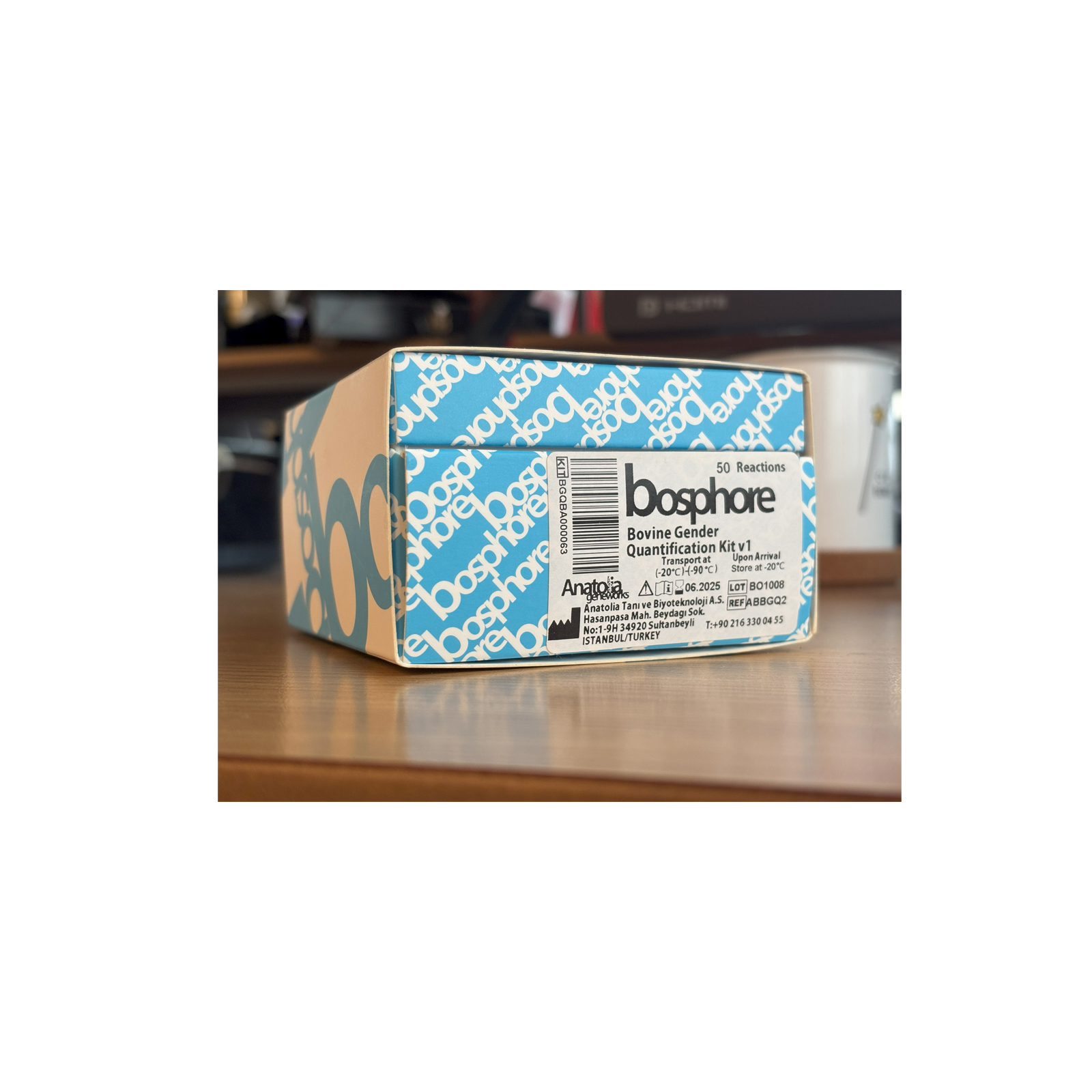
The process begins with a simple photograph of the box. At this stage, lighting or background conditions are not critical — the main objective is capturing the correct angle and proportions.
Step 2 – Structural Sketch
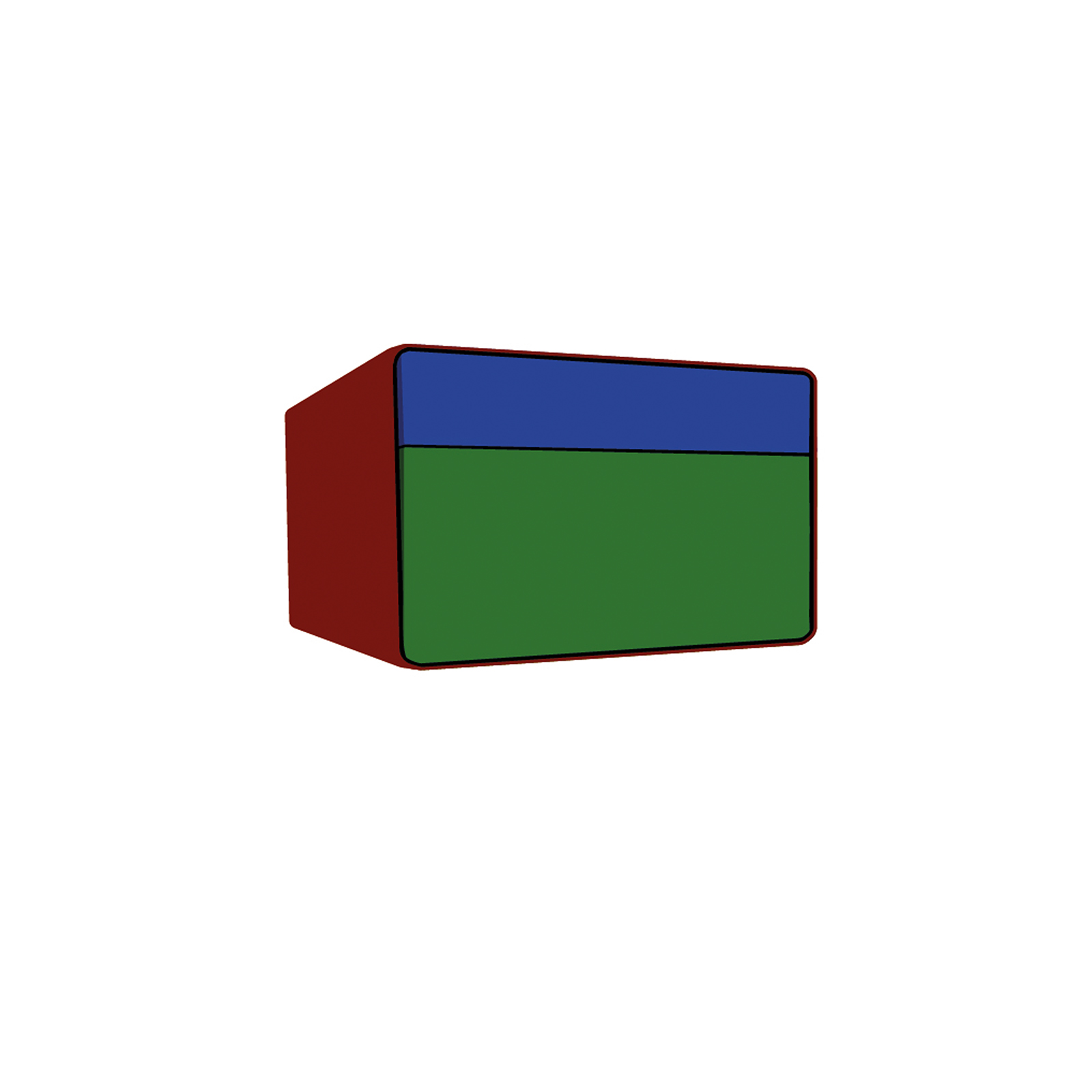
The reference photo is then translated into a simplified sketch. Using color-coded lines, the box’s two-piece structure is clearly separated. This step ensures that the AI prompt will focus on form and construction rather than surface details.
Step 3 – AI-Driven Visualization
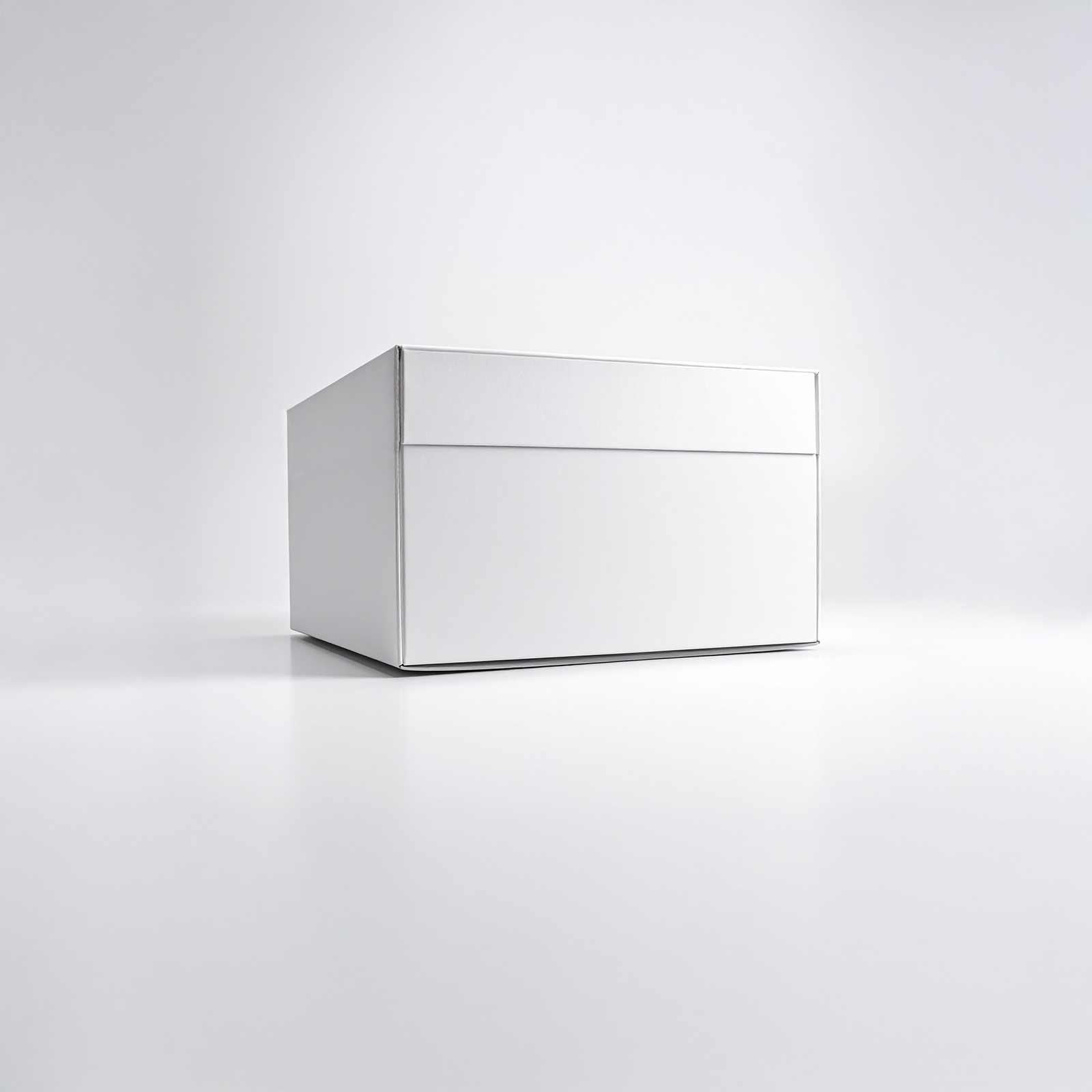
The sketched reference is combined with a tailored AI prompt in Adobe Firefly to generate a clean, neutral, photorealistic box render.
Example prompt: “a two-piece white smooth cardboard box in a one-piece seamless white smooth cardboard cover”
Result: A crisp visualization of the box with realistic lighting and depth, ready for design application.
Step 4 – Post-Production & Design Application
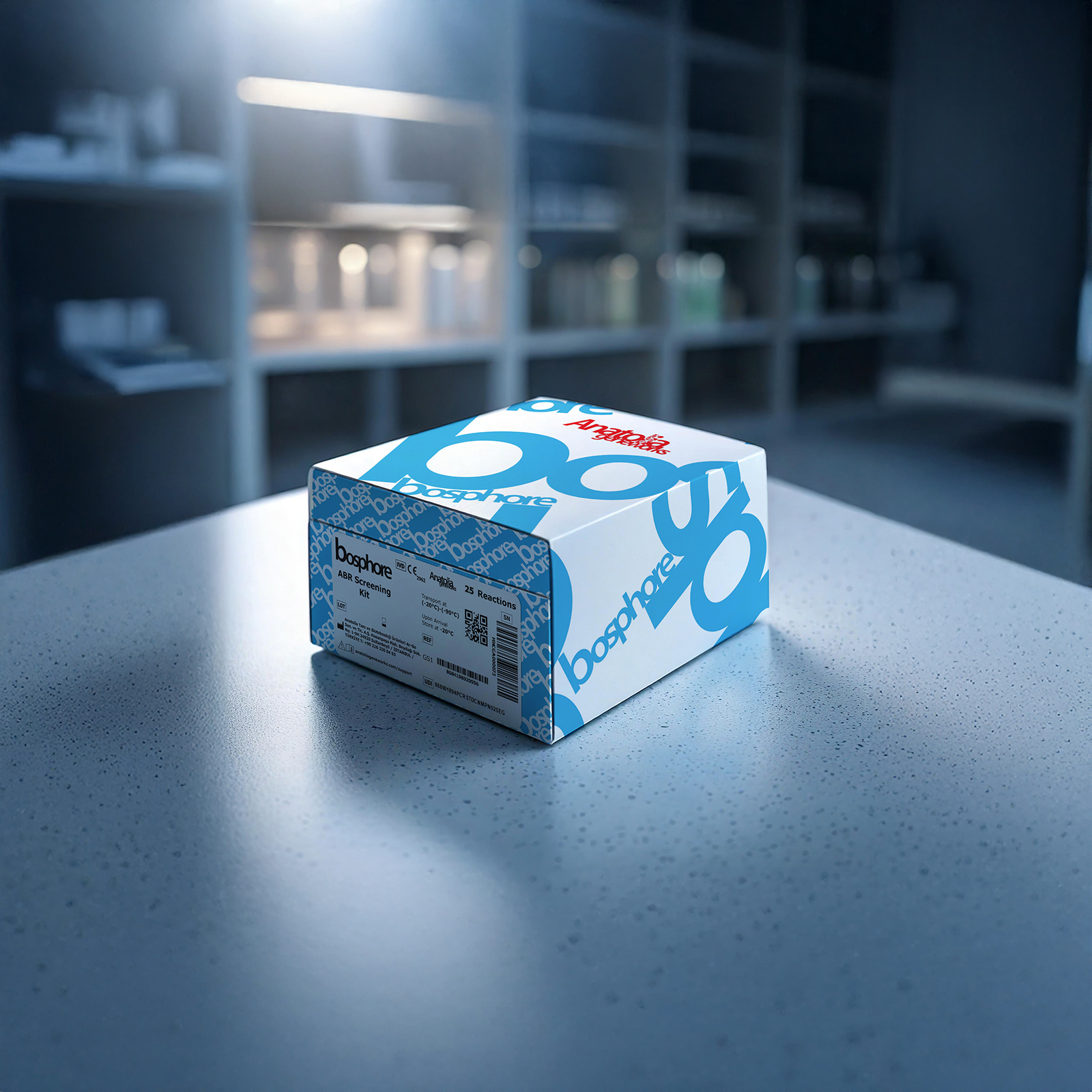
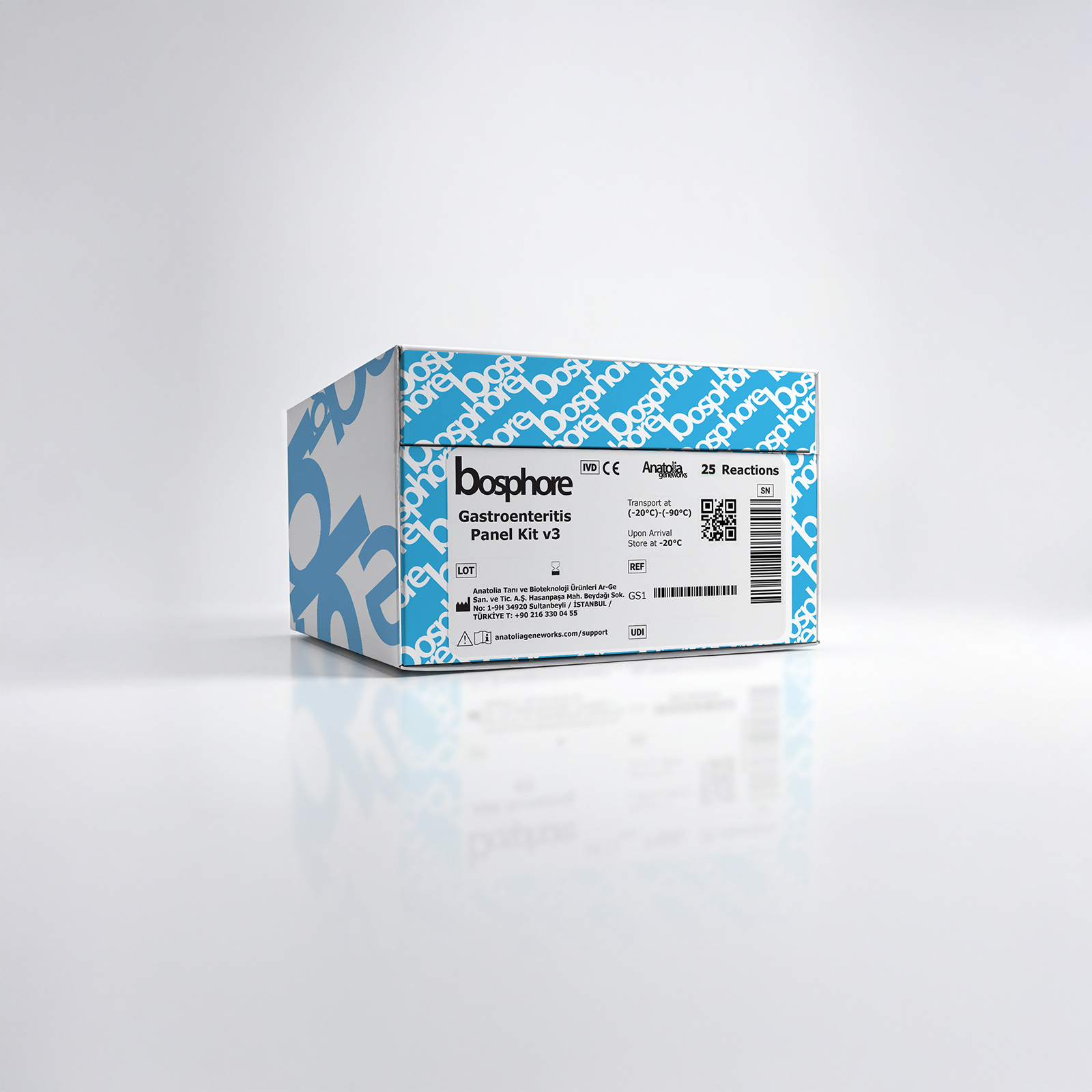
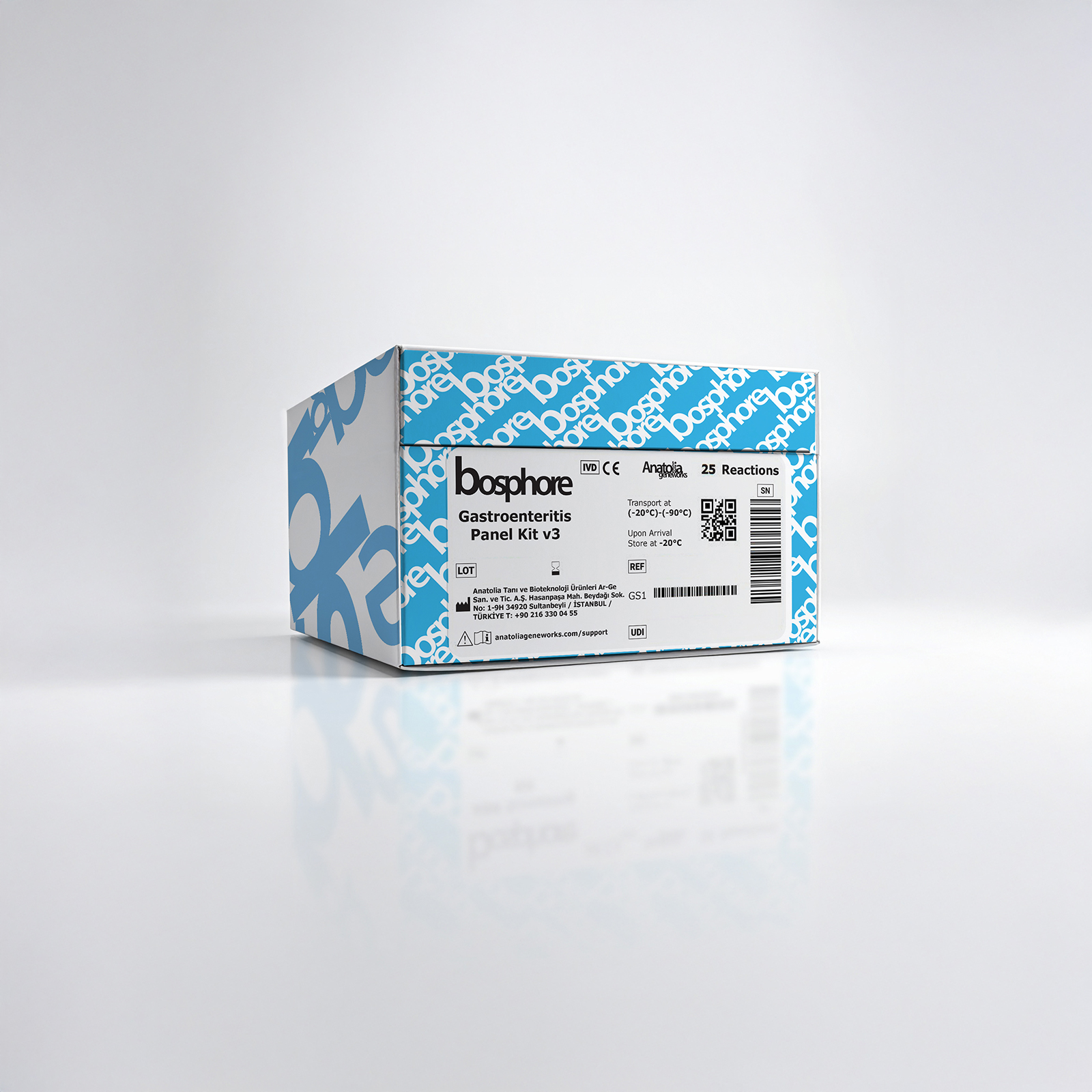
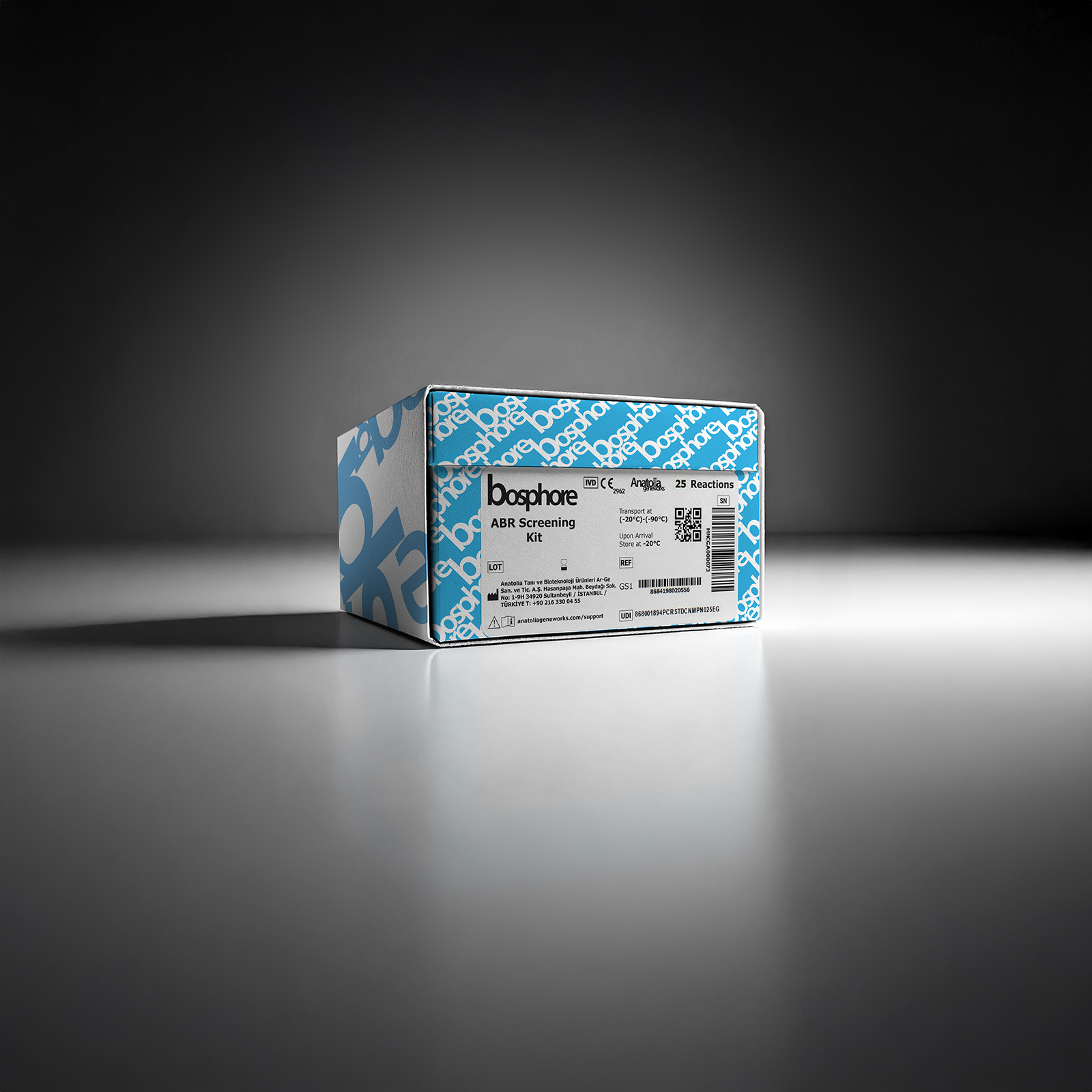
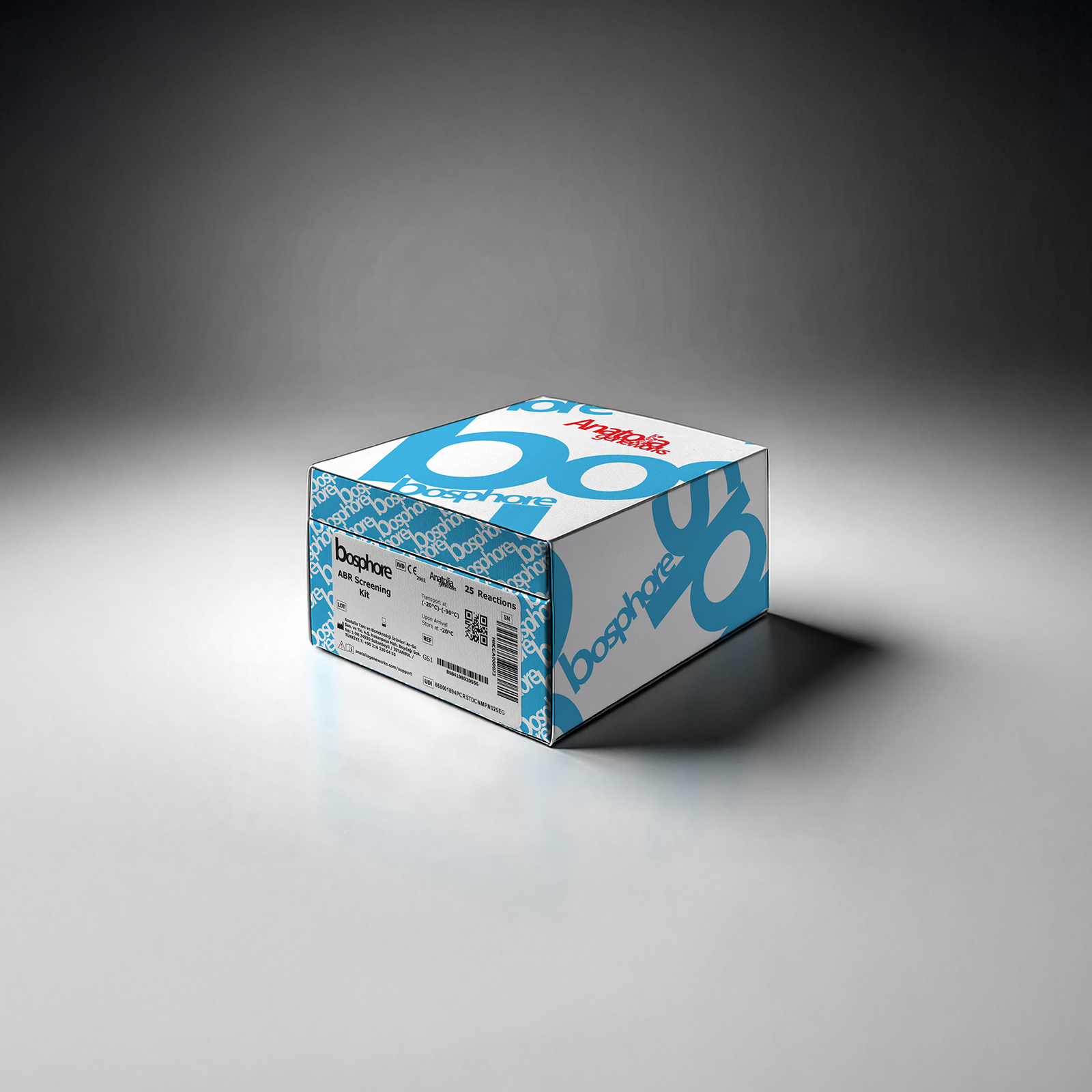
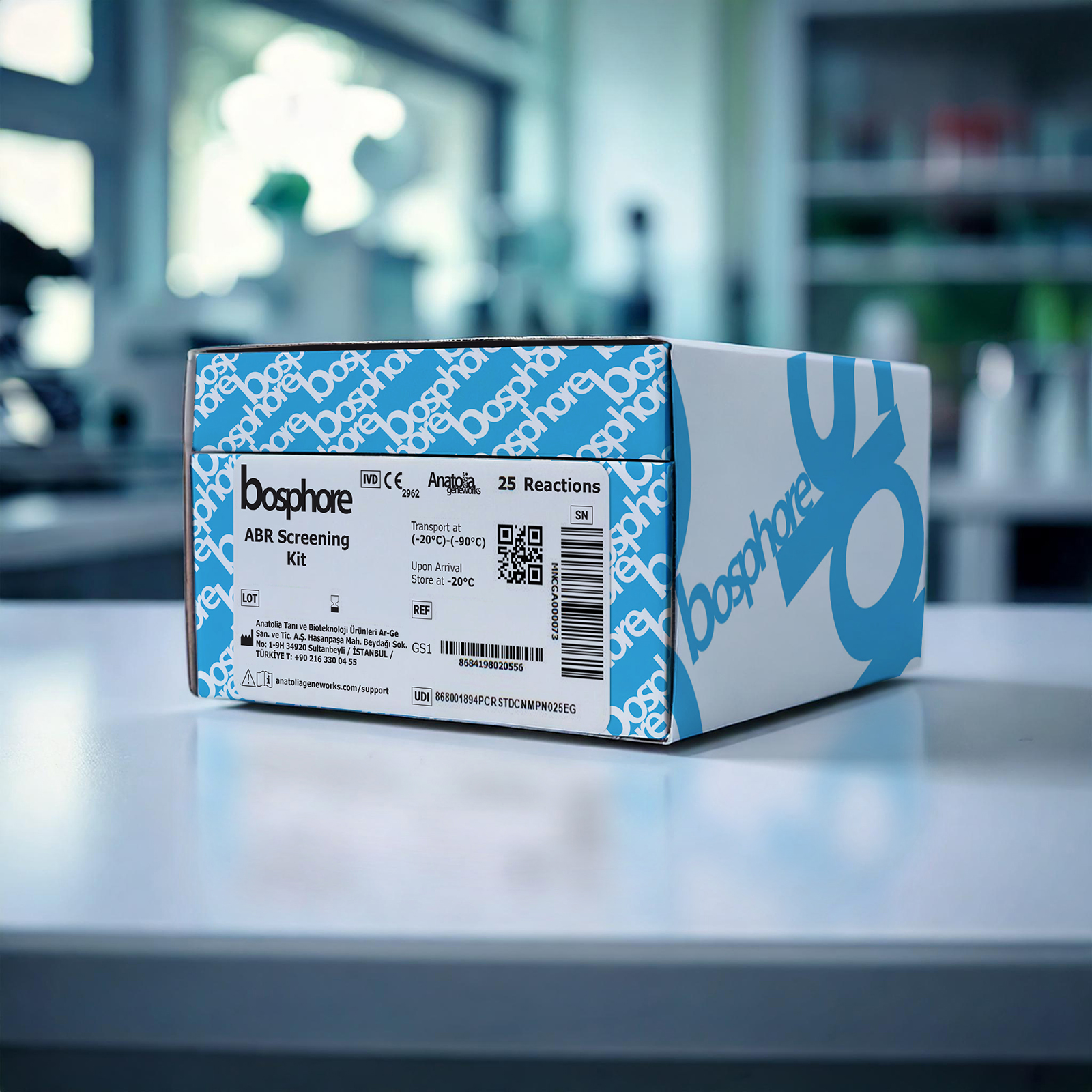
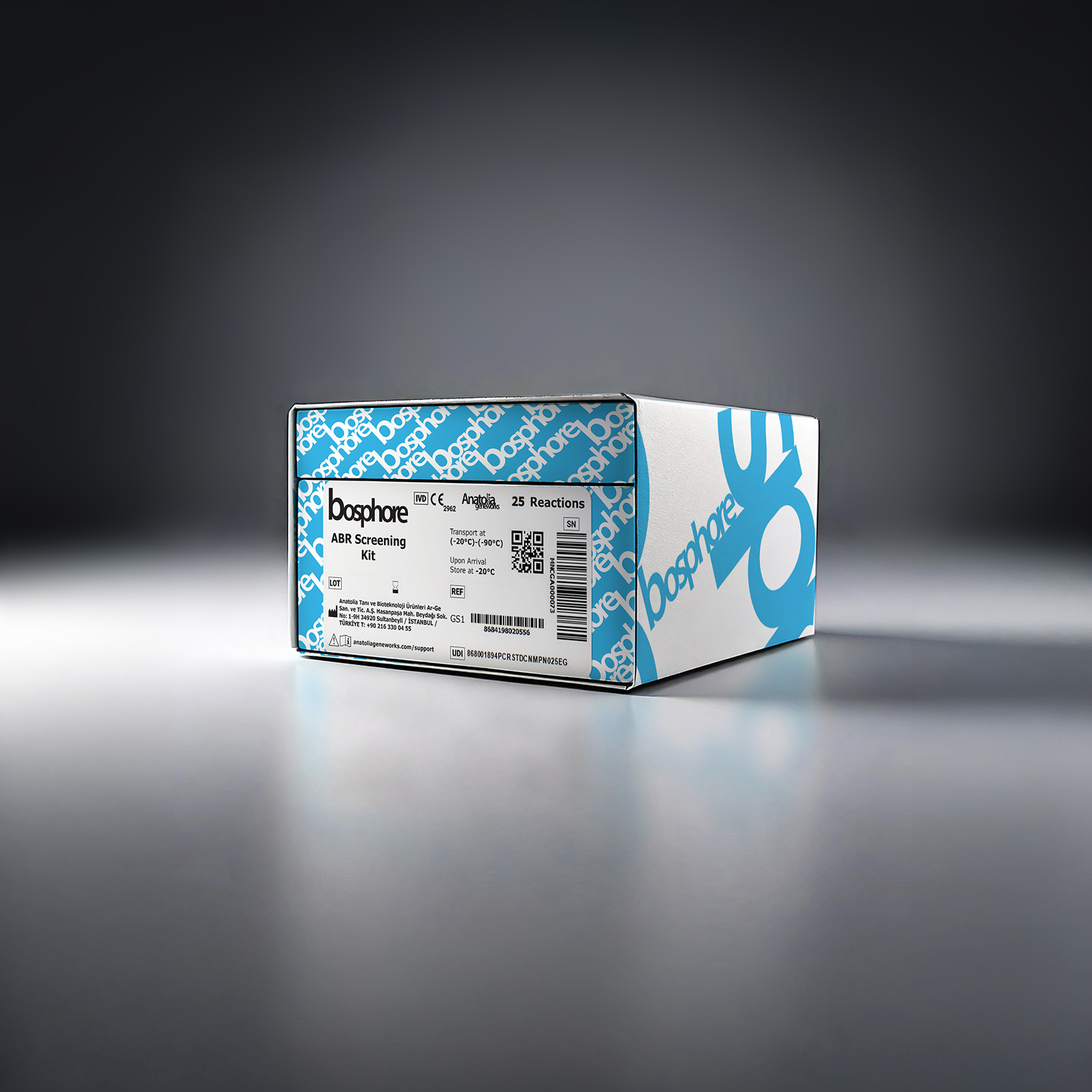
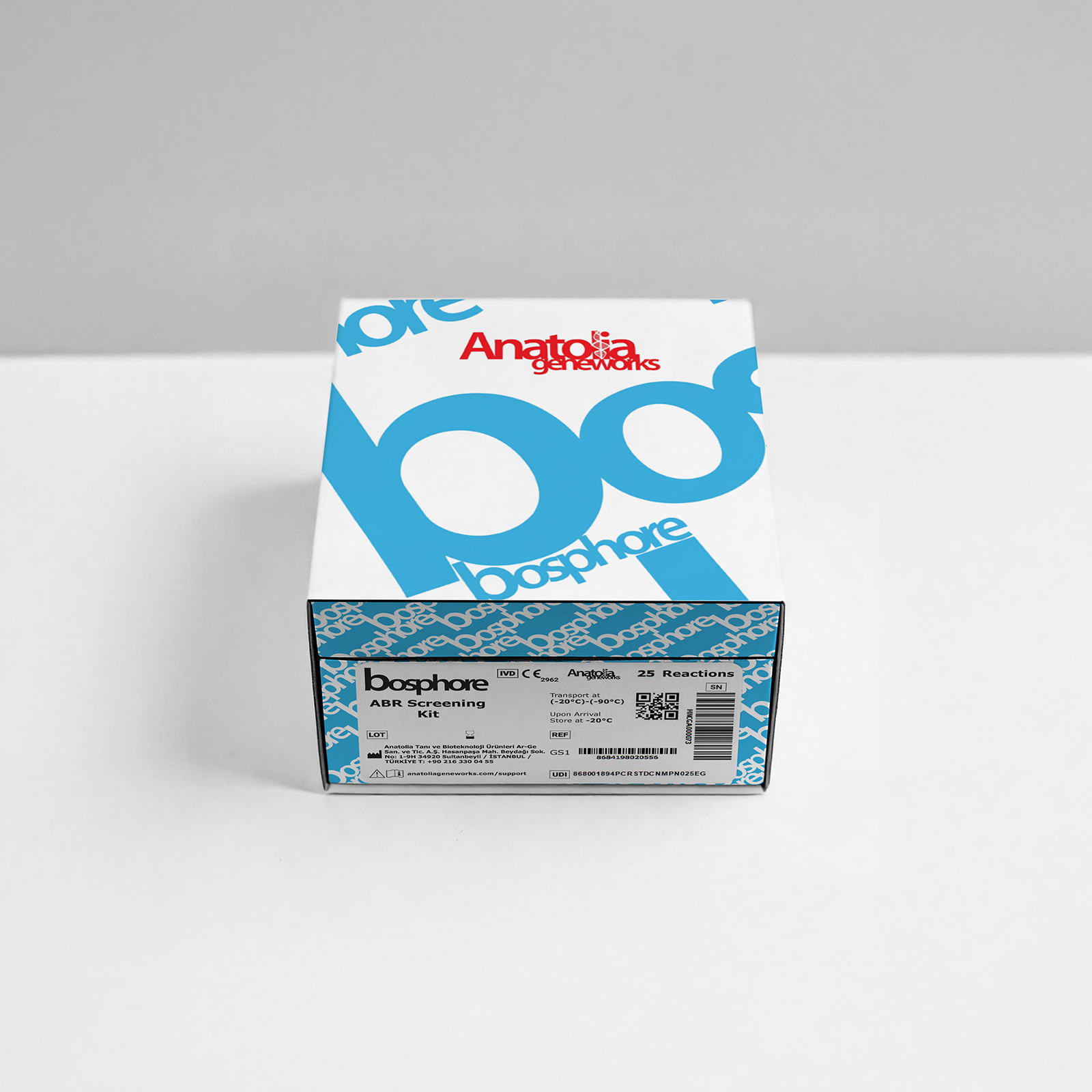
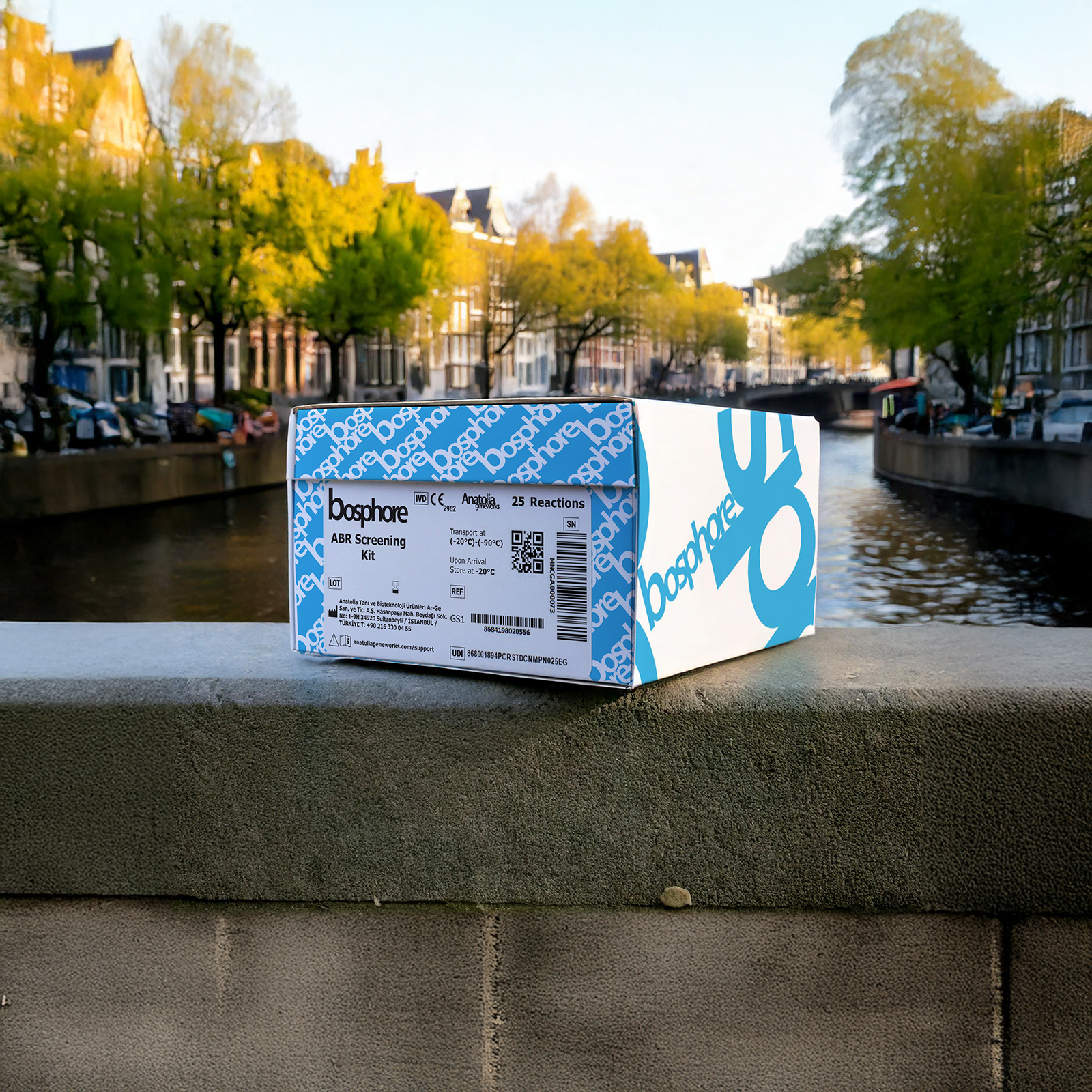
In the final stage, the product visualization is refined through post-production. Branding, reflections, and lighting adjustments are applied to produce a market-ready mockup. This ensures the design looks natural and consistent across different applications.
Outcome
This workflow bridges the gap between rough product photography and high-end marketing visuals, offering:
-
Faster turnaround compared to photography or 3D modeling.
-
Cost efficiency with reusable AI workflows.
-
Photorealistic results adaptable for multiple packaging designs.
Although these results are already promising, AI technology is evolving rapidly. As models improve in rendering precision, texture detailing, and lighting realism, the outcomes will become even more indistinguishable from traditional product photography. In the near future, AI-driven visualization is set to become a powerful challenger to conventional product photography — especially for packaging, e-commerce, and rapid prototyping.
Instead of replacing photography entirely, it will coexist — but push the industry to adapt with faster, hybrid workflows.